The Outlaw Life

This is a true story, written to a prompt for The Chatham Writers Group. The prompt came from The Tiny Buddha website and involved being kind to a younger version of yourself.

Once Upon A Time In Middletown: A Christmas Story, Sort Of…..

There was a time in my life where I was a member of a group of desperadoes, engaged in the scheme of acquiring certain goods via dubious means and selling them for a profit.  We were a cunning bunch, wearing dark clothing and ski hats to render us nearly invisible in the dark, timing our capers to the phases of the moon and scanning local weather reports for overcast nights.  Our getaway vehicles were a 1957 Ford Fairlane and a 1965 Rambler Classic, the only two modes of transportation capable of carrying a team of brigands and their booty  from the scene of the crime.  The crime sprees were seasonal, occurring between Thanksgiving and Christmas.  We goniffs were high school students , our crime was pilfering Christmas trees to sell to sports coaches and several teachers. 

Our gang was formed over slices of pizza and pitchers of Pepsi at Marabella’s, a hangout in Highspire frequented by families and and any number of high school cronies.  A friend, who I will call Vince because, after all, that is his name, outlined his scheme.  Vince had overheard one of the football coaches puzzling over a question of logistics.  He needed to purchase two Christmas trees, one for him and one for his mother.  He was lamenting having to transport trees with a VW bug.  Vince volunteered to help.  Enlisting the aid of another friend, nicknamed “Mill” and owner of the aforementioned ’57 Ford, they were able to obtain the necessary trees for the Coach and his Mom.  They were handsomely rewarded.  Vince described the transaction as “Cash & Carry”.  Meaning he and Mill, in the middle of the night, carried the trees from a farm stand on the outskirts of town, delivered them and received cash for their effort.  Our career as purloiners of Tannenbaums commenced the following weekend. 

Having sizable vehicles were key to our operation.  Because two of us also drove VW Bugs, and two did not have a car, we had to rely on the big Ford and Rambler sedans.  The second part of this formula was to have vehicles that were reliable, something neither car was.   The Ford’s starter behaved erratically in cold weather.  If you turned off the ignition, sometimes you would have to rap the starter 2 or 3 times with a rubber mallet before it worked.  The terminals of the battery in the Rambler were prone to becoming caked with a white oxide layer that would also prevent the car from starting.  It was necessary to lay a screwdriver across the two terminals to jump start the car.  The effect of doing that would typically result in the person holding the screwdriver to either get flash blinded by the sparks, or knocked on their butt from being shocked.  Sometimes both would occur.  Despite these minor glitches, our acts of piracy earned us extra spending money over the Holiday season.

The following year proved to be more of a challenge as the Christmas tree vendors added bright spotlights and even dogs to protect their inventories.  History tells us that lives of outlaws eventually become fraught with peril and seldom end well.  Other students heard rumors of our nefarious deeds.  The Principal of our high school, who liked me and always addressed me as “Ernest my boy”, one day said “Ernest my boy.  I heard a rumor that troubles me, about you and Christmas trees.  Maybe you should seek employment at McDonald’s if you are cash strapped.”  I replied that I already worked there, his withering glare suggested I should probably look for more hours.  One of our heists resulted in us being chased.  But in 1971 it was still impossible for a human to outrun a ’65 Rambler on foot, even if it took 10 minutes to go from 0 to 60.  We decided, after that chase, that our careers as freebooters needed to end.

During our senior year of high school, another football coach approached two friends and I with a request that involved acquiring a balsam fir.  Reluctantly, we agreed to pull off one more caper.  I was no longer driving a VW bug, I now was driving a 1968 Pontiac LeMans.  It was very fast, but more importantly, it had a huge trunk.  I would be the getaway driver.  We cased several of our old haunts and found them to be as secure as the previous winter.  We decided on a snatch and grab from behind a grocery store in the center of Middletown.  A very bold move because the Police Dept. was nearby.  Dimming my lights, I drove down the alleyway to the back of the store where the tree stand was.  One friend took my trunk key and opened it, my other friend jogged over to grab a tree.  I sat behind the wheel, engine idling.  As my friend with the tree got close to the car, the boxy form of a Plymouth pulled into the alley behind me.  High beams flashed, my friend dropped the tree and sprinted off into the dark, my other friend flew through the open door into the passenger seat and shouted “Go”!  He slammed the passenger door shut as I floored it. The LeMans was not only fast, but highly maneuverable.  Turning on a dime, I sped down an alleyway to my right and burst out onto Main Street, my trunk slammed shut when I accelerated.  I left Middletown at a high rate of speed, losing my pursue, whether Cop or Security Guard I will never know.  Returning to Middletown from an entirely different direction than when I departed, my buddy and I went from lamenting the fate of our other partner in crime, to shitting bricks as a police cruiser pulled from a side street and followed us into town.  We breathed a huge sigh of relief when he turned a few blocks later.  A light snow had begun to fall.  I dropped my friend off at his house and returned to mine, spending a sleepless night as I expected the Middletown PD to kick in our door at any moment and lead me away in handcuffs.  That did not happen.  

At school on Monday, we were relieved to discover the third member of our party escaped unscathed.  A few hours later in gym class, the coach seeking the tree approached us and said “Thanks for the really nice tree.  But you put it in front of the wrong apartment”.  As he was opening his wallet to pay us, we told him of our failed attempt.  His head shot up, eyes wide as saucers and he blurted out “Shit! I stole my neighbor’s tree”.

Although I have recounted this story in somewhat humorous detail, it is a brief period in my life for which I felt remorse for a long time.  I was a thief, and I drove recklessly and could have endangered others.  It was was over 30 years before I told this story to anyone, and it was only after it was revealed by one of my partners in crime, in front of my wife and sons, at the wedding of his daughter.  Everyone thought it was a great tale.  In the end, no one was hurt, a lot of Christmas trees never do get sold and turn brown on the lot, I guess I could be kinder to a younger self.
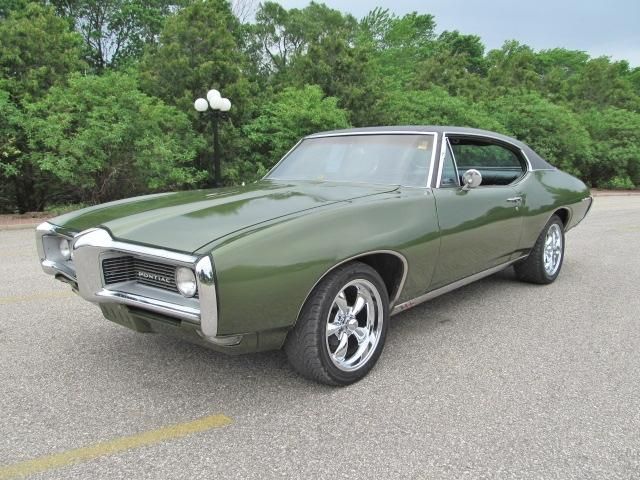
My getaway car looked just like the one in the photo.

Light At The End Of The Tunnel

This is a true story, written to a Chatham Writers Group Prompt: “Light At The End Of The Tunnel”.

Lights at Both Ends of the Tunnel

Wednesday 24 July 2002, Lincoln Township Pennsylvania.  Eighteen miners of the Black Wolf Coal Company are working the night shift at the Quecreek Mine, 240 feet below the earth’s surface, drilling and removing coal from the rich Upper Kittanning Seam.  The miners are split into two teams of 9, working two portals on the left side of the  main shaft, one team in Left Portal 1, the second in Left Portal 2.  Both portals are about a mile from the mine entrance.  At 9:50 PM, the mine phone in Left Portal 2 starts to ring.  The team leader answers the phone and is stunned by what he is hearing.  On the phone is the team leader of the group working in Left Portal 1.  While drilling the portal 1 team opened a hole into the shaft of an unmapped, long ago abandoned mine.  Sixty million gallons of water are now flowing into Portal 1.  He is urging the Portal 2 leader to get his team out immediately, before the mine floods.  The team in portal 2 bolts for the main shaft.  An hour later they burst out of the mine entrance into the cool July night and turn to wait the exit of the portal 1 team.  Ten minutes pass and no one else leaves the mine.  A 911 call is made, 9 miners are either trapped or dead.  However the portal 1 team is very much alive and fighting against time to survive.  With the entrance to portal 1 flooding to quickly for them to exit, attempts were made to escape through 2 smaller tunnels that led to the mine entrance, both were flooded.  The team made its way back to the end of Portal 1 and settled on a ledge above the water to await their fate or rescue.

The scene on the surface is one of controlled bedlam.  Teams were established to set up pumps to begin pumping the millions of gallons of water that flooded the mine, and to begin drilling a 6.5” hole to provide air for the men below, not yet knowing if they were still alive. To create an escape tunnel, a huge 30” diameter drill was requested from a mine in West Virginia, it would arrive the next day.   The families of the missing men gathered at the local firehouse to console each other and to await any word from the rescue teams.  As word spread volunteers from other mines in the region rushed to Lincoln Township to assist in any way possible, to ensure that the rescue efforts would continue unabated.  When the 911 call was made, local news channels broadcast a breaking news alert.  By 11:00 PM, news crews were on site and began reporting the latest details, of which there were very few.  

The breaking news story about the Quecreek Mine spread rapidly.  For the next 3 days the eyes of the  world would be watching the efforts to rescue the group of men who were now being referred to as the Quecreek 9.  However, no eyes would be focused with more blazing intensity than the eyes of those living in Western Pennsylvania.  This drama playing out in rural Lincoln Township was deeply personal.  Everyone in that region knew someone – a family member, a neighbor, a friend, who worked in a mine.  There were virtually no degrees of separation from those trapped in Quecreek.  With televisions and radios always on and in close proximity,  Western Pennsylvanians were anxious for news from the mine.  The level of intensity is difficult to imagine, and there is only one way that it can be described.  Shortly after 5:00 AM on Thursday, July 25th, it was announced that the airline had penetrated into the portal where the miners were thought to be.  There were three solid smacks on the pipe from deep in the earth.  The collective sob that was generated in Western Pennsylvania caused the leaves to turn in one direction on the inhale, and blow back in the other direction on the exhale.  This scenario was repeated again at 11:30 AM that day when 9 clear, distinct bangs were detected on the air pipe, indicating all 9 were alive.  

The miners underground were not out of the woods however.  The 9 wraps on the pipe would be the last that would be heard from them as the rising water in the shaft prevented the miners from communicating further.  Drilling of the 30” diameter escape tunnel began that evening.  At 240’ below, the Quecreek 9 were able to sense the vibrations.  They also noticed that the water was no longer rising.  A lunch pail floated to the miners, now they had a corned beef sandwich, a Diet Coke and two cans of Mountain Dew to sustain them.  Over the course of the next two days, the tensions would ebb and flow.   A broken drill and broken pipe complicated the rescue process with repair delays.  The rescue efforts stretched through Friday night into Saturday.  There were no further communication from the men in the hole.

 Through the long evening and in to Saturday, all remained news starved.  Again, equipment failures prolonged the process and work continued through the day into the evening.  At 10:20 PM on Saturday, July 27, a news flash reported the rescue tunnel drill broke through to the portal, a phone line was dropped down the 240’ tunnel.  All of the TV stations had their cameras glued to the crowd and equipment around the escape tunnel.  At 11:00 PM the cameras caught the images of volunteers pumping fists in the air, cheering, crying, hugging.  The news reporters announced, voices breaking with raw emotion,  that all 9 were alive and over the next few hours would emerge into the electric light of life at the end of the tunnel.

The most remarkable thing that this near tragedy showcased was how so many people from so many different walks of life were able to join together in a crisis to serve the common good.  The metaphoric tunnels of personal biases and beliefs, all evaporated to the light of achieving a goal that was common to all.  People supported each other, offered what comfort and help that they could.  We have more in common with each other than not.  With each other’s help, we can emerge from any dark tunnel to the light.

Sources:  Pittsburgh Post Gazette and Pittsburgh Tribune Review from Sunday, 7/28/02.

Ernie Stricsek

Chatham Writers

11/1/2020

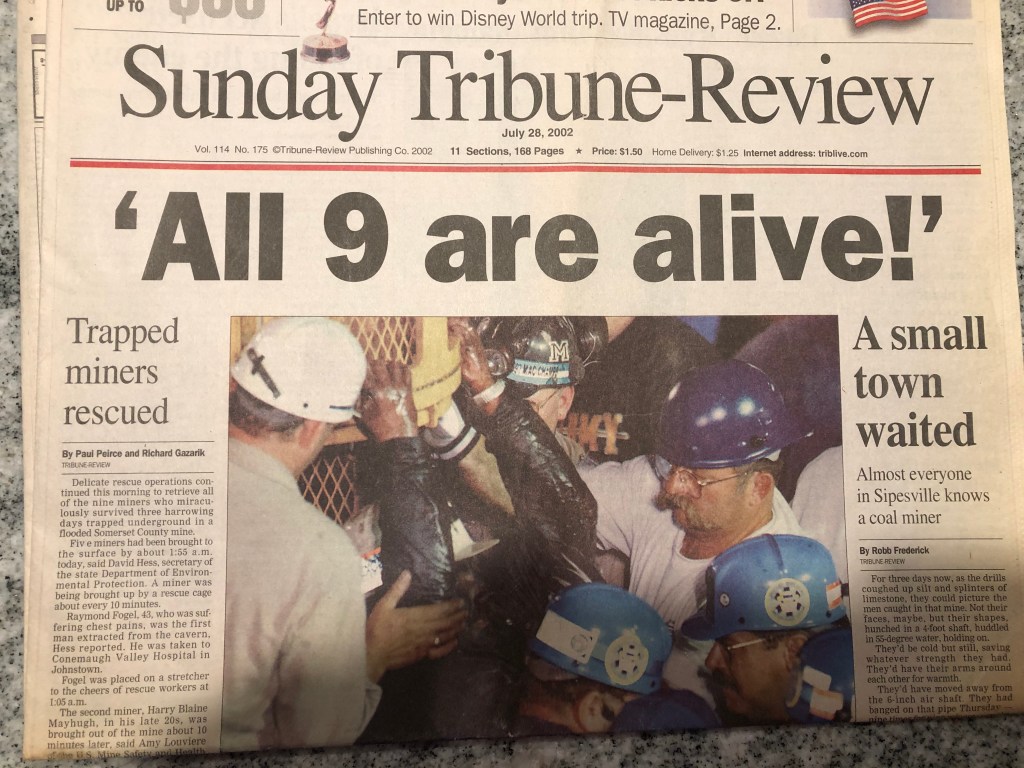
Headline from Pittsburgh Tribune Review July 28, 2002 after all 9 miners were rescued.
Photo of rescuers greeting the Quecreek 9 as they emerge from “The Hole”.

Union David Sinks Rebel Goliath

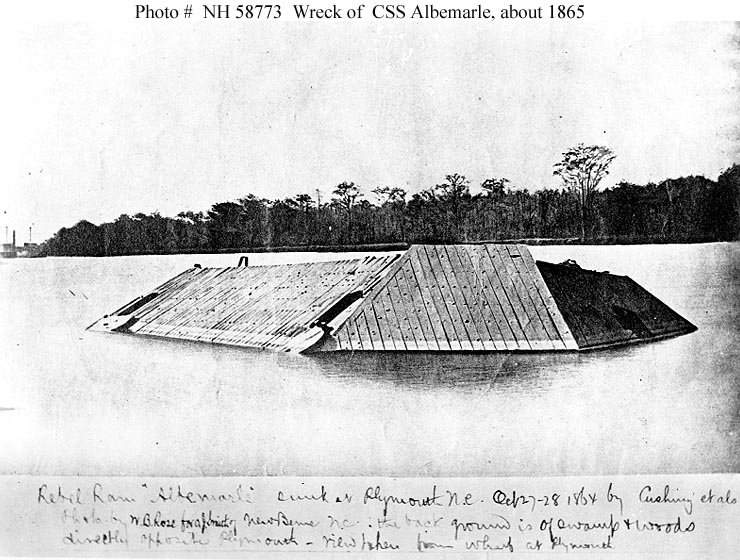
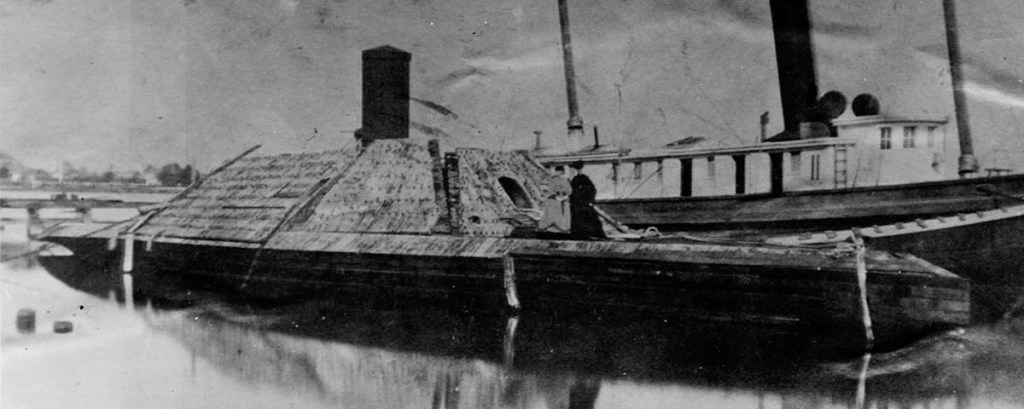
In the summer and early fall of 1864 a Confederate iron clad ram, the CSS Albemarle, prowled the outlet of the Roanoak River at Plymouth NC, wreaking havoc on the wooden steamers and gunboats of the U.S. Navy. After attacking, the Albemarle would quickly return to its heavily defended port to avoid capture or sinking by its pursuers. Union Naval commanders were evaluating several plans to penetrate the harbor defenses of Plymouth and destroy the Albemarle. Young Lt. William Cushing devised and proposed a daring plan to sink the ironclad ram. It was bold, it was risky, it was dangerous. The commanders accepted the plan. In the wee hours of the morning of October 28, 1864, Lt. Cushing and 13 volunteers in a light steam launch with a small howitzer and a “torpedo” fastened at the end of a 14 foot spar, silently approached the Albemarle. Slipping past outposts along the river, the Albemarle loomed closer and closer, protected by a ring of floating logs and armed sentries. Ordering the pilot of the skiff to apply full steam to generate enough speed to propel them over the logs, Cushing crawled forward to pull the cord that would detonated the torpedo beneath the hull of the Albemarle. The sentries began to fire upon Cushing, shredding his uniform coat and shooting off his boot, but a blast from the howitzer sent them scattering. Cushing’s launch went up and over the log barrier, he lowered the boom and detonated the charge beneath the ram. At exactly the same moment, the ram fired on the skiff. The twin explosions sent Cushing and all of his men into the water. Two of Cushing’s men drowned trying to swim to shore, 11 men were fished out of the water and captured, Cushing miraculously was unscathed and managed to avoid capture. The Albemarle sank. With the loss of the Albemarle, the Confederates had to relinquish control of the sea and rivers around Plymouth. Cushing received the Thanks of Congress for his daring accomplishment. Today, 28 October 2020, is the 156th Anniversary of the sinking of the Albemarle.

Lt. William B. Cushing, United States Navy
At the Norfolk Navy Yard, Virginia, after salvage, circa 1865. Two ladies are standing on her deck, near a section of displaced casemate armor. Courtesy of Mr. J.C. Hanscom. U.S. Naval History and Heritage Command Photograph.
Operational, scaled down replica of C.S.S. Albermarle on display at Port O’ Plymouth Museum in Plymouth, North Carolina.

William Cushing’s brother, Alonzo, received the Medal of Honor for his leadership and skill directing the efforts of his artillery battery at the Battle of Gettysburg in July of 1863. Alonzo Cushing’s battery was located next to the Copse of Trees that served as the target of Pickett’s Charge on 3 July 1863. Suffering from several serious wounds, Cushing refused to relinquish command of his battery. As Pickett’s men swarmed over the wall in front of his battery, Cushing himself fired a cannon at point blank range into the Rebels. Alonzo Cushing was shot in the face and killed.

400 Years, Tracking the Pilgrims


First Landing

2020 is the 400th Anniversary of the Pilgrim’s arrival in Massachusetts. This was supposed to be a huge celebration year with lectures, re-enactments, etc. Things came to a screeching halt in March as the Coronavirus roared into the state and things were shut down. Activities did eventually resume, albeit via webinars or socially distanced get togethers with limited numbers of participants. In 1620, the destination of the Mayflower was actually the mouth of the Hudson River. Crossing the Atlantic, the Mayflower drifted to the north and the first land to be observed was the northern shore of Cape Cod. Turning south, the Mayflower encountered what would become the graveyard of many ships, the shoals of Pollack Rip just off the coast of what is now the town of Chatham. The journey to the Hudson River was abandoned and the Mayflower turned north. Rounding the tip of Cape Cod the Mayflower dropped anchor in Cape Cod Bay on November 11, 1620, off latter day Provincetown.

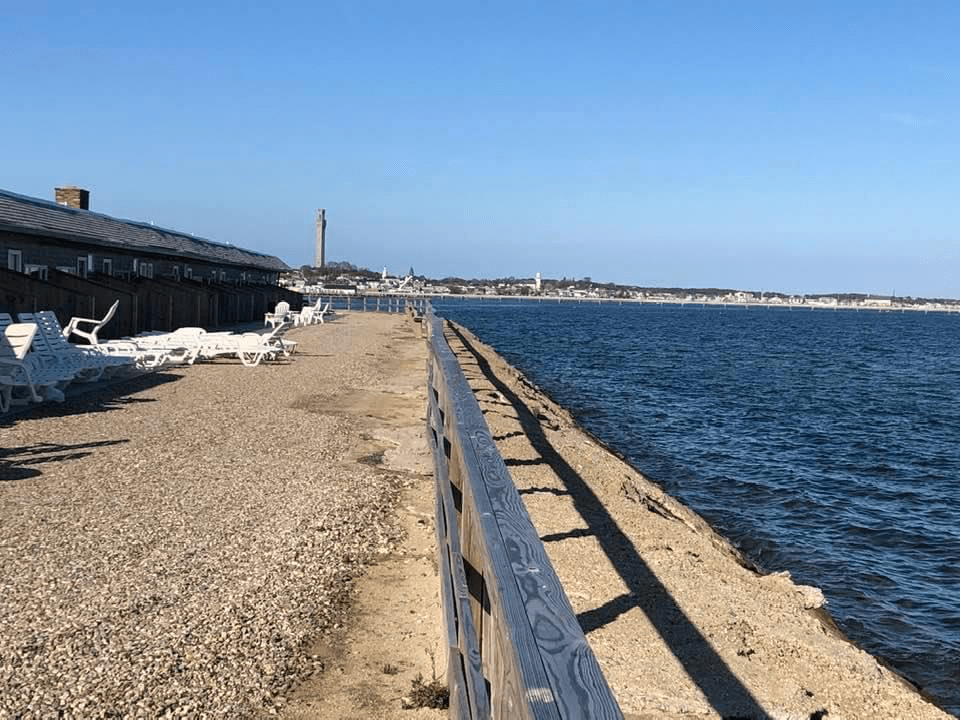
Barb and I attended a webinar last night about the Pilgrims first year in New England. Included in the talk was a map with a list of locations that the Pilgrims explored. Today we took advantage of a beautiful fall day to visit some of the sites. The images below are in Provincetown. In the image on the left the tall tower in the distance is the Pilgrim Monument. The Mayflower is believed to have anchored in the bay in the area just past the end of fence. The photo on the right is a small marker commemorating the arrival of the Pilgrims on November 11. The area is being renovated and we could not get closer to the monument.


Initial Shallot Excursions

The second stop on our tour of sites the Pilgrims explored was Corn Hill. Using a small skiff called a “shallot”, 16 men sailed from the Mayflower seeking likely places for food sources or inhabitants (Native Americans of the Payomet Tribe). Arriving at a stretch of beach with a high prominence behind it, the Pilgrims came ashore and began to explore. Climbing the hill they discovered several unoccupied dwellings (the Payomets were at hunting camps further south). The real find however were several bushels of ripe corn and seed corn. The Pilgrim’s food supply had gotten dangerously low, so they took the corn. They basically stole the Payomet’s food supply. Not being total spalpeens, the Pilgrims did leave a note promising to repay the “loan”. They also named the spot “Corn Hill”. The photo on the upper left below is Corn Hill today. The photo on the right is of Provincetown in the distance. The Pilgrims lit a bonfire signal so those on the Mayflower knew that all was well. The photo on the lower left is of a modern day pilgrim standing in front of the monument commemorating the campsite. The photo on the lower right is the monument.

On the First Thanksgiving, the feast being completed, the Pilgrim and Payomet menfolk were sipping brandy and smoking cigars. Payomet Chief Massasoit reluctantly brought up the subject of the corn debt with Pilgrim leader William Bradford (who would become the first Governor of Massachusetts). Bradford replied with the very first version of the reply that would pass down through the ages with some minor modifications: “Chief, the corn is in the mail”. I totally made up this last paragraph. The Pilgrims did repay the corn loan.

First Encounter

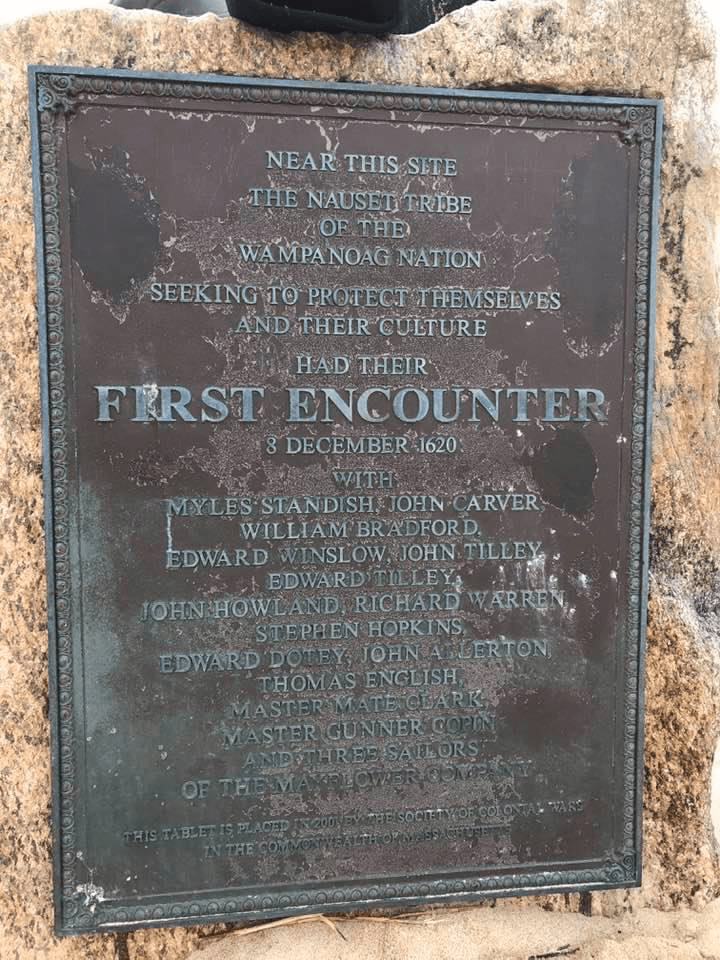
The last stop on our tour today was First Encounter Beach in Eastham. Making another excursion farther South along the Cape Cod Bay side of the Cape, the Pilgrims observed several Native Americans on the shore. As they approached the beach, the party on shore melted into the woods. A little uneasy, the Pilgrims established a rudimentary set of breastworks for protection before settling in for the night. The night would be anything but settling and restful as animal sounds and shuffling noises from the woods kept many of the Pilgrims awake. The noises were created by members of the Wampanoag Tribe preparing to confront the English settlers at first light. As dawn broke, the Pilgrim guards came scrambling back to the beach shouting “Indians! The woods are full of them”. The guards were no sooner behind their protective barrier when a shower of arrows zipped passed their heads. The Pilgrims replied with a hail of lead fired from their matchlock rifles. The noise and smoke sent the Wampanoags back into the forest. The Pilgrims broke camp quickly, piled into the shallot and sailed back to the Mayflower. The first encounter between Pilgrims and Wampanoags ended in a bloodless draw. It was not too long after this engagement that the shallot set out for one final time, heading west to their final destination in Plymouth.

The top photo below is First Encounter Beach looking north towards Provincetown. The 2nd photo is First Encounter Beach heading south to Orleans. The 3rd photo is monument commemorating the first encounter.

We are going to try and visit more sites dedicated to the Pilgrim’s Progress. I will update this story as we go along.

Ferry to Freedom

I have written about Robert Smalls before. This entry was written in response to a prompt for The Chatham Writers Group. The prompt was what program or series would we like to see on TV.

Ferry To Freedom

May 13, 1862

The bell in St. Phillip’s Church chimes twice.  It is 2:00 AM and most of the inhabitants of Charleston, South Carolina are sound asleep.  Most, but not all.  At Northern Wharf, the 7 crew members of the steamer C.S.S. Planter are making final preparations to cast off.  The ship’s cargo of 4 cannons and 200 missiles for those cannons are to be delivered to the Confederate garrison on Morris Island.  Casting off, the Planter makes one stop at the West Atlantic Wharf to pick up 11 passengers.  By 3:25 AM, the Planter is slowly maneuvering its way past the 5 forts that protect the harbor from Yankee invaders.  As it approaches each fort, the Planter sounds it’s whistle 3 times.  The occupants of the fort wait to verify the Planter’s markings & note the shipping schedule to confirm destination then signal passage to the ship.  At 4:15 AM, the Planter looms from the early morning mist and approaches the last of the 5 forts, Fort Sumter.  The guards on Sumter’s parapet wave a signal lantern, the Planter responds with the 3 snorts from its whistle.  As the Planter draws closer to the fort, the guards observe the familiar form of the Ship’s Captain, C.J. Relyea, leaning against the pilot house, arms folded, his signature wide brimmed straw hat on his head and his linen cloak over his shoulders.  With the ship’s identity and destination verified, Sumter’s guards wave to Relyea.  Relyea waves back and disappears into the pilot house.  The last of the forts being passed, the Planter chugs faster in the direction of Morris Island.

However, something is amiss!  As the earliest blush of dawn appears on the horizon, the guards notice that the Planter has changed course!  Rather than Morris Island, it is heading towards the open sea!  Steaming directly for the Union ships that blockade the harbor!  The Planter is now out of range of Sumter’s cannon and cannot be stopped.  Things are definitely not as they seem.  Upon entering the pilot house, Captain Relyea discards the broad hat and linen cloak to reveal that he is instead, 22 year old Robert Smalls, now a runaway slave.  His six crew members are also now runaway slaves.  The 11 passengers consist of Roberts wife Hannah, and their two children , the wives and child of four crew members and 3 additional men – all runaway slaves.  It has been a harrowing trip past the forts.  Smalls, of similar height and stature to Relyea, spent months studying his movements and gestures while planning this escape.  He hoped and prayed that the dim light and early morning mists would help shield his true identity.  As the Planter steams towards the Union naval vessels stalking the harbor entrance, Smalls has the Confederate flag & South Carolina state flag pulled down.  In its place he runs up the largest white bed sheet his wife has, to indicate his desire to surrender the Planter to the blockading Yankees.  However in the misty morning, the white flag is almost invisible. As the a Planter approaches, Union officers on the U.S.S. Onward order the gun ports opened and cannons run out stop the Rebel ship.  At virtually the last moment, a breeze flips the white sheet sideways, a gunner on the Onward sees it and shouts to his mates that the approaching ship is flying a white flag.  The Onward stands down.  The Captain and the officers of the Onward crowd the deck to observe the approaching ship.  As the Planter pulls alongside and cuts its engines, Robert Smalls steps forward holding his hat.  He calls up to the Captain of the Onward, “Good morning sir!  I have brought you some of the United State’s guns sir!”.  More importantly, Robert Smalls has ferried himself and 17 others from slavery to freedom.

This prelude introduces us to the sweeping 10 part miniseries that will chronicle the incredible life of Robert Smalls.  You will follow his rise from slavery, to his life as a river pilot, learn of his thrilling escape and join him in the halls of Congress.  You will also meet Robert’s mother, Lydia Polite, who asked the slave owning patriarch to put Robert to work in the cotton fields, so he could experience what the horrible world of slavery was really like.  Henry McKee, the aforementioned patriarch was, in all likelihood, Robert’s father, would treat Robert with kindness, even after Robert purchases the McKee house after the end of the Civil War.  Henry’s wife, Jane, will suffer from dementia and move back into her old home to be cared for by the Smalls’ family.  You will meet Robert’s wife, Hannah Jones, a slave and hotel maid in Charleston, South Carolina.  Unable to purchase her freedom, Robert plans his fantastic escape to carry her from slavery’s clutches.  You will witness the dereliction of duty by the C.S.S. Planter’s Captain, C.J. Relyea, as he leaves his ship under the control of 7 slaves, without any white officers to watch over them.

This is but one vignette of a truly remarkable story that I would love to see as a mini-series.  I am struck by the fact that no attempt has been made to produce a series illustrating the adventurous and successful life of Robert Smalls.

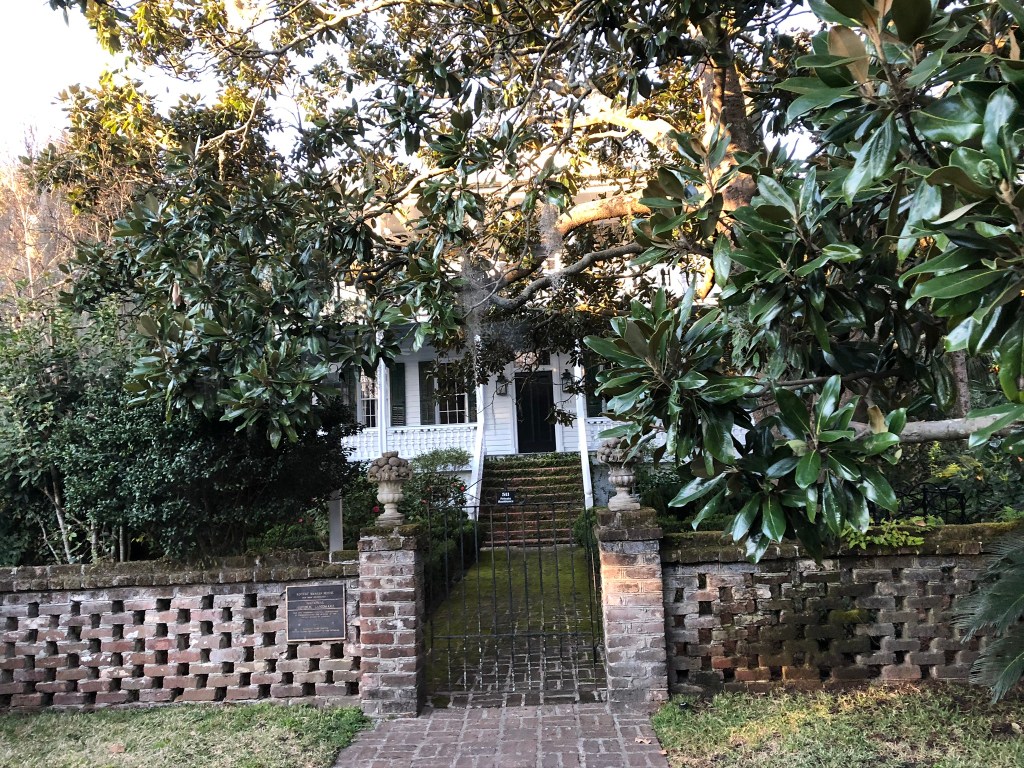
Robert Smalls home in Beaufort, South Carolina

A Carpet Of Orange Blossoms

A ghost story….

A Carpet of Orange Blossoms 

The approaching dawn found him in his usual position, perched on a boulder next to the statue of General Warren.  He had been doing this for a number of years now.  It was his favorite time of day in his favorite season of the year.  The sun would rise behind him, over the Round Tops.  The woods and fields from Seminary Ridge to the west of Gettysburg would be the first to benefit from the light of the rising sun.  Immediately below and to his front, Devil’s Den, the Peach Orchard and the Wheat Field would still be in the shadows of the Round Tops.  The early morning mist would lay heavy in the low points of the uneven ground.  Yes, he loved this time of day, the quiet before the throng of park visitors crowded the crest of Little Round Top, asking about where was it that Joshua Chamberlain and the 20th Maine changed the course of the Battle of Gettysburg.  

Over the next half hour, the sun cleared the Round Tops and the mists gave way to a haze which indicated that this late June day was going to be a hot one.  Loud voices off to his left shook him from his reverie.  Scowling at his watch, he mumbled “‘it’s a bit early for visitors”.  Not yet ready do deal with anyone, he stood up, stretched and slid down from his perch to move into the shade behind an observation tower to see how things would play out.  The approaching group was revealed to be a Boy Scout troop supervised by several adults.  Spotting the observation tower, the young scouts shouted “look, a castle tower!  Last one to the top is a rotten egg!”  The adults managed to stop the stampede. One adult, the Scout Master, said that before going up the tower, Mr. Brampton is going to tell us what happened here.  Still unseen behind the tower, the man cringed when this Brampton fellow began to speak in a flat monotone, reading from a small booklet.  It was obvious that most of the scouts could care less about Brampton’s talk as they sprinted off to the tower before he finished.   Peeking around the side of the tower, the man noticed that there were three scouts standing next to one of the adults.  He heard one scout ask “Dad, could you tell us a little more about what happened here?”  The father replied “sure, Jeremy, if you guys are interested”, and he began to talk.  The man behind the tower was curious now, as the father spoke from memory.  The man’s interest grew exponentially as the father spoke, initially with great enthusiasm, then with obvious emotion as his voice began to tremble.  When the father finished speaking, two of the scouts thanked him and joined their friends.  The father and son remained behind, peering through their binoculars at Devil’s Den.  The man now stepped into full view and eavesdropped on the conversation between father and son.  He heard the son say, “do you see those reflections of light from around the boulders in Devil’s Den?  What are those?  There is not anybody down there!”  The father replied “Jeez Jeremy, you are right.  I don’t see anybody, just those scattered flashes of light.”  With a smile, Jeremy’s father turned to him and said “if I did not know better, I would say they seem like muzzle flashes from Rebel snipers”.  Jeremy and his Dad both shrugged, laughed, and returned to peering through their binoculars.  The man stood staring at Jeremy’s father.  There was something awfully familiar about him.  “I think I need to make my presence known”, he thought, “this is certainly very curious”.  

Approaching father and son, the man now heard the father exclaim “Look over at Seminary Ridge Jeremy!  That looks like Rebel cavalry coming out of the tree line!”  Jeremy replied “I know! The haze makes them appear almost ghostly.”  Both father and son suddenly put down their binoculars and stood blinking at the distant ridge.  They looked at each other and spoke at the same time “did they just disappear”?  Both Jeremy and his Dad jumped when the approaching man said “Perhaps”.  

Jeremy’s dad was going to upbraid the approaching stranger for scaring the hell out of them but he was unable to speak. Mouth hanging open, he was staring at a man wearing a faded blue, Civil War era uniform of a Union infantry Colonel.  The man in the uniform had also stopped and was staring at Jeremy’s Dad.  A strong vibe of recognition passed between them.  Jeremy’s Dad shook his head as though clearing it of a bad dream and spoke first: “are you a re-enactor?  Or a living history volunteer for the park?”.  The man in uniform just stared back a moment longer then slowly said “Captain Nicoll, as I live and breath”.  Confused now, Jeremy’s Dad said “What? Who? Is that your name?  I am sorry, I am flustered.  Let me start over, Hi, my name is Ed Mullins, this is my son Jeremy.  Do you work for the park?”.  The man in uniform seemed to recover as well.  He replied, “Yes, I guess you could say I am part of the park”.  Jeremy Mullins, who had stood with a bewildered expression this whole time blurted out “You are Augustus Van Horne Ellis! Colonel of the 124th New York! The Orange Blossoms!  My Dad showed me your picture!” Pointing to Devil’s Den Jeremy continued “you were killed in that triangular shaped field just over there! Dad! We are talking to a ghost!  Is this real? Am I dreaming?”.  The man in the uniform chuckled and spoke “What a bright young man you are. I am indeed Colonel Ellis. This is no dream. Sadly, mine, and the bodies of my Orange Blossom regiment carpeted that Triangular Field”.  Pointing to Jeremy’s dad the man in uniform said “And you sir, I am certain, are Isaac Nicoll, Captain of my Company G.  You may be who you say you are today, but on July 2, 1863, you were my Captain Nicoll! You witnessed what happened here.  I am damn glad you have returned to us sir!  If the two of you want to see ghosts, I invite you to join me in Devil’s Den at dusk!  Nicoll, Mullins, whatever your name sir, you will see your old friends. And. We. Will. Have. A devil of a time sir! We will indeed”!

Ernie Stricsek

Chatham Creative Writing Group

8/9/2020

Gettysburg, 1 – 3 July, 1863

Gettysburg: July 1, 1863 – Daybreak
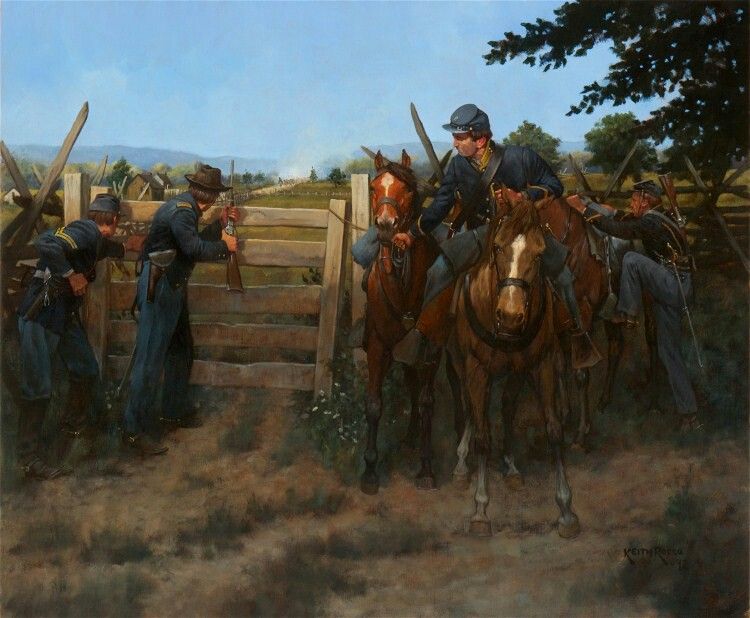
The humidity at dawn on July 1, 1863 was already thick. Pickets (patrols) of General John Buford’s Calvary Division of The Army of the Potomac were in situated in a large arc, scouting the roads to the north and northwest of Gettysburg, looking for units of Robert E. Lee’s Army of the Northern Virginia. Picketing the Chambersburg Pike heading northwest from Gettysburg was Lt. Marcellus Jones and his company of troopers from the 9th Illinois Cavalry. Peering through his field glasses, Lt. Jones observed movement along the Pike, coming in his direction. The shimmering morning heat made the figures approaching him appear almost ghostly. At about 600 yards from his position, the figures became clearer. What Jones was seeing was the advance elements of Confederate General Henry Heth’s division. Lt. Jones asked to borrow the Sharpe’s carbine from the trooper standing next to him, Sgt. Levi Schafer. Taking aim at an officer atop a white horse (believed to be Col. Burkett Fry), Lt. Jones squeezed off a shot. He missed Col. Fry, at 600yards it was not an easy shot for a carbine. It was 7:30 AM. Lt. Marcellus Jones just fired, what is believed to be, the first shot of the 3 day Battle of Gettysburg.

Lieutenant Marcellus Jones fires first shot to open the three day battle of Gettysburg, July 1-3, 1863

Sources: Edwin Coddington: “The Gettysburg Campaign”, Stephen Sears: “Gettysburg”, Bruce Catton: “Glory Road”, Blue & Gray Magazine, issues dedicated to the Gettysburg Campaign.

Gettysburg: July 1, 1863 – Mid-morning

“T’aint no militia! It’s those damn Black Hat fellers!” “Those damn Black Hat fellers” we’re members of one of the elite, and I would say THE ELITE, brigades in the Union army during the Civil War. It was the only brigade in the Army of the Potomac consisting of all mid-Western regiments – the 2nd, 6th, 7th Wisconsin, the 19th Indiana, and the 24th Michigan. Their distinctive uniforms; the tall black “Hardee”, long blue coat and buff gaiters over their boots made them easily recognizable. They were proud of the fact that their official designation was the 1st Brigade, 1st Division, 1st Corps, Army of the Potomac. As such, they imagined that if the Army of the Potomac were lined up for review by President Lincoln, they would be The First unit he would see.

During the opening hours of the Battle of Gettysburg, 153 years ago today, the Iron Brigade was rushed forward to halt the advance of Heth’s Division of theConfederate Army of the Northern Virginia. Up to this point the Rebels thought that only Yankee cavalry and some local Pennsylvania militia opposed them. Upon seeing The Black Hat Fellers, the Rebs knew they were in for a bigger fight than imagined.

The Iron Brigade would be decimated on July 1st of 1863 and would never again function as the elite fighting force they were prior to the Gettysburg battle. The whole 1st Corps of the Army of the Potomac was wrecked on that day, their sacrifice allowed time for the rest of the Yankee army to arrive on the field and change the course of the battle.

Men of the Iron Brigade (on the left) repulse Confederate soldiers of James Archers Brigade (on right). Archer was captured in the action.

Gettysburg: July 1, 1863 – Late Morning

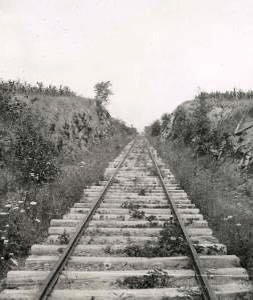
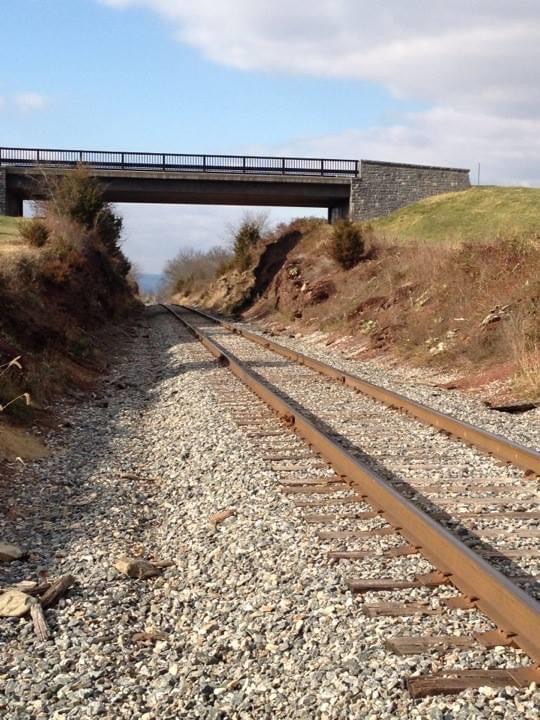
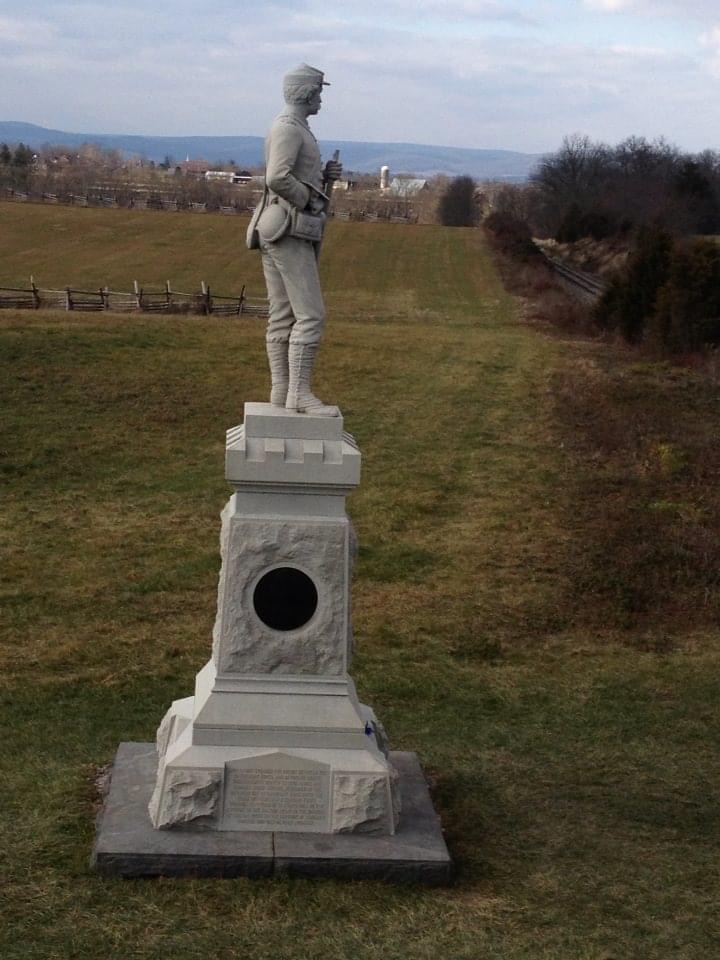
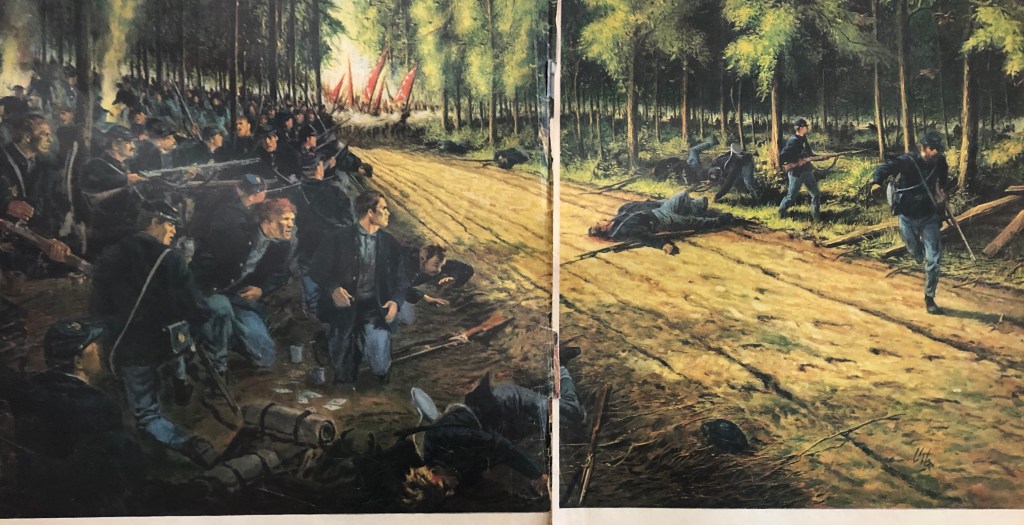
As the fighting the fighting between Archer’s Brigade and the Iron Brigade was raging, rebel troops were observed entering a railroad cut to try and flank the Union position on the right of Seminary Ridge. The 14th Brooklyn and the 6th Wisconsin regiments were ordered to stop the advance. Charging the railroad cut, and with great loss, both regiments were able to stop the Confederate advance through the cut. The rebels lost heavily as well. The commander of the rebel brigade that advanced into the cut was Joseph R. Davis, nephew of Confederate President Jefferson Davis. His advance into the cut without adequate reconnaissance caused the wreckage of his brigade and in the reorganization of the Army of Northern Virginia after the battle, he was shunted off to a less important role. The official designation of the 14th Brooklyn Regiment was the 84th Regiment of New York Volunteers, a designation they detested. They were mustered in as the 14th Brooklyn after Fort Sumter, were the 14th Brooklyn at Bull Run, but could not convince the State of New York to allow them to keep the 14th designation. They steadfastly refused to adopt the regulation blue uniform and wore their distinctive uniform, patterned after a French Zouave design. They were ferocious fighters and nicknamed “The Red Legged Devils”. The 6th Wisconsin was part of the famed Iron Brigade, “The Damned Black Hats”. Stopping the assault through the railroad cut gave the Union army only a temporary respite. More rebel troops began to arrive on the battlefield and the Yankees had to retreat through town to occupy the positions they would hold for the remainder of the battle.

Photo of “The Railroad Cut”, taken after the battle
Current photo of Railroad Cut, taken by me in 2013.
The 14th Brooklyn charging the Railroad Cut
The 6th Wisconsin attack on the Railroad Cut. Davis’ Brigade is trapped in the bottom of the cut.
Photo I took of the 14th Brooklyn Monument near the Railroad Cut.

Sources: David Martin: “Gettysburg, July 1, 1863”, Lance J. Herdegen & William J.K. Beaudot: “In the Bloody Railroad Cut at Gettysburg”, Harry Pfanz: “Gettysburg The First Day”.

Surprise Attack On A Wilderness Road

It was late afternoon, Saturday 2 May 1863. The men of Colonel Leopold Von Gilsa’s Brigade (in Charles Deven’s Division, 11th Corps, Union Army of the Potomac) were at ease. Assigned to hold the far right of the Union line, the 11th Corps was positioned on the Orange Turnpike, near a tavern called Dowdall’s, in a densely wooded area, named “The Wilderness” by the locals. Von Gilsa’s Brigade was the last unit in the Union line, nothing to their right but The Wilderness thickets. It was rumored that Robert E. Lee’s Army of the Northern Virginia was seen to be retreating. Union regiments had tangled with some elements of Stonewall Jackson’s Corps marching along a road in a direction away from the Union lines.

With that knowledge, Von Gilsa’s men were relaxed with rifles stacked, coffee boiling over campfires, eating and playing cards. At about 5:15 P.M., deer began to bolt from the woods into Von Gilsa’s camps. The Yankees tried to catch them in the hopes of having a venison dinner. The leaping deer were soon followed by rabbits and turkeys. The screeches of birds filled the air. The loud bark of a cannon and the “whicker whicker” sound of a passing artillery round made the Yankees stop their activities. The round flew down the Orange Turnpike and exploded over Von Gilsa’s headquarters. The next sound to burst from the woods was the high pitched sound of the Rebel Yell being screamed by thousands of Confederate soldiers. The Wilderness erupted in flame, Von Gilsa’s startled men were bowled over by the volley. Those not shot dropped their cards and kicked over coffee pots in their mad scramble to get their rifles. The Rebels were not retreating! They were attacking!

Leopold Von Gilsa’s Brigade caught unprepared by Rebel surprise attack.

Lee’s army was not retreating. Jackson’s column, that had appeared to be marching away from the Union lines had, actually been on a long route that took them to the unsupported Union right. Jackson’s entire Corps, 26,000 men, flowed from the Wilderness like lava and overwhelmed the Union Regiments. The shattered remnants of Von Gilsa’s Brigade rushed pell mell into the other brigades of the 11th Corps, followed closely by Jackson’s howling troops. Attempts to form a defensive line to slow Jackson’s hordes were swatted away like flies. The Yankees began to break for the rear in a panicked rush. Jackson’s charge was rolling up the Union 11th Corps like a rug. The one-armed commander of the 11th Corps, General Oliver Otis Howard, with a flag stuck under the stump of his right arm and a pistol in his left hand, tried to set an example in an attempt to organize a resistance.

Howard’s efforts to rally his Corps were unsuccessful. Throwing aside rifles, packs, anything to lighten their load, the men of the 11th Corps continued their mad dash to the rear. The path of their flight was leading them to Chancellorsville, a small gathering of homes dominated by the Chancellor family mansion. The Chancellor house was now the headquarters of Union General Joseph Hooker, commander of the Army of the Potomac. Union staff officers had been paying close attention to the sounds of battle drifting from the 11th Corp position. Peering intently at a rising cloud of dust approaching the Chancellor house, a keen eyed staff officer suddenly shouted “My God! Here the come!”. All was pandemonium at the Chancellor House as officers scrambled to stop the flight and organize a defense. Troops from other units were plugged into the line and artillery was wheeled into position. Dusk was beginning to form and the combination of falling darkness and stiffening Yankee resistance finally slowed Jackson’s assault.

Only 3/4 of a mile from Union Army Headquarters, Jackson desperately wanted to renew his assault. He was willing to risk an night time battle and while scouting possible attack approaches, was accidentally fired on by his own men and mortally wounded. The evening of May 2, 1863 would be hellish. The fighting during the day had started fires in the Wilderness woods. Wounded soldiers calls for help would soon turn to screams as the flames would overtake them. Any movement in the dark woods would cause an eruption of wild shooting.

Stonewall Jackson was already a legend by the time the Battle of Chancellorsville was fought. However, his audacious assault on the 11th Corps and near capture of Union Headquarters would be the crowning jewel of his career. After his wounding, he was hurried to the rear and his arm was amputated. Although it initially seemed that Jackson would recover from his wounds, he contracted pneumonia and died on May 10, 1863.

At the time of the Battle of Chancellorsville, the Union 11th Corps was held in low regard. The unit was plagued by morale problems and was a recent addition to the Army of the Potomac, being transferred from another department. Almost 2/3 of the organization were European immigrants, officers having names like Von Gilsa, Buschbeck, Schimmelpfennig, Schurz. The prejudices of the times led to mistrust of their abilities as soldiers. The 11th Corps would also be driven from the field at Gettysburg, forever being named “The Flying Dutchmen” after that.

Notes: Back in the day, I used to give a presentation on the Chancellorsville Campaign to Civil War Roundtable groups and schools in Connecticut. It was in the days before laptop computers and PowerPoint, so I had big flip chart maps and overhead projector transparency sheets.

I have visited the Chancellorsville battlefield a few times and drove the path that Stonewall Jackson marched to launch his flank attack on the Army of the Potomac. That was many years ago and at the time it was still a narrow dirt road that wound through Wilderness.

sources: Ernest B. Furgurson, “Brave Men’s Souls, Chancellorsville 1863”; John Bigelow, “The Chancellorsville Campaign” (this is the Gold Standard of all Chancellorsville books); issues of Blue & Gray and Civil War Times Illustrated magazines that relate to the Chancellorsville Campaign.

Lucky Numbers

The old Libby & Sons tobacco warehouse fronting the James River in Richmond, Virginia, was taken over by the Confederate government in 1861 to house captured Union officers.  By May of 1862, 1200 souls were imprisoned on the top two floors of the warehouse, now renamed Libby Prison.  Conditions were stark, the windows were open spaces with only iron bars on them.  Cold wind and rain buffeted the prisoners, the excessive summer heat took its toll.  Disease was rampant among the crowded prisoners, many died, to be replaced by fresh numbers daily.   Union officer, Lt. James Bartlett, a graduate of West Point Class of 1861 arrived at Libby Prison two days after being captured on May 13, 1862.  General John Winder, Inspector General of Confederate Prison Camps, would harangue the new arrivals “You Yankee scum are now the guests of Libby Prison.  Don’t think about escape, nobody escapes from Libby Prison.  Unless you are lucky and die.  As a matter of fact, I plan on killing more Yankees in prison, than Robert E. Lee can kill on a battlefield”.   Almost immediately, Bartlett resolved to escape.

Within a week, Lt. Bartlett had determined that his best chance of escape was to reach the James River.  Flowing only 40 feet away from the prison, it held a couple of possibilities.  If Bartlett could reach the river, he could steal a row boat, or stow away on a steamer or sloop, and reach the Union army outside of Richmond. Staring at the James River out of the barred window in the fading daylight, Bartlett went over the numbers in his mind again.  Forty feet, 16 paces, 13 seconds.  Exhaling, the number 13 came out softly on his breath.  He was startled and gave a small jump when a gruff voice behind him said “What’s that Lt. Bartlett?  Thirteen?  God Damn you are jumpy boy!  What about 13”?  “Yes Sir, Captain Jenks” replied Bartlett, “thirteen is my lucky number”.   Jenks’ mouth turned up on one side in a sneer.  “Thirteen!  Everyone fears the number 13 as being unlucky!  Hell, the Rebs captured on May 13!  How can that be lucky”?  Bartlett was revolted by the coarse Captain Jenks.  Hiding his disgust, he evenly replied “It’s my lucky number now.  Lightening does not strike the same place twice”.  With that, Bartlett slowly walked away.

Bartlett began to pay attention to the details of the prison, the timing of the guards turns, people coming and going, and he also observed that the prison’s doctor would make several trips to one or two of the ships tied up at the wharf and bring back boxes of supplies, also noticing that, given the Doctor’s unsteady gate, he greatly imbibed his medical stores. Bartlett’s escape plan unfolded in his mind.  He decided that the next time he was on kitchen duty, he was going to slip away from the kitchen, cross the wood shop and enter the prison infirmary.  The kitchen was never under any guard, because the Rebs were repulsed by the rats that inhabited the kitchen in great numbers.  It appeared to Bartlett that the wood shop was also rarely used.  He was going to try and disguise himself as the prison doctor to make his escape.  He would don the doctor’s white duster and steal his straw hat, walk out the infirmary door and mimic the doc’s unsteady gate to the James River wharf.  He estimated that would take 13 seconds, he would time his departure when the sentry was mid-way on his round.  Bartlett told no one of his plans.  There were Union prisoners who were all to keen to turn in fellow prisoners for misdeeds in order to curry favor with the Rebel guards for better food and clothing.  That was why Bartlett was evasive when Jenks asked him about the number 13, Jenks was a suspected stool pigeon.

Two days later, Bartlett began his kitchen duty.  In the dimming day, he went into action.  Leaving the kitchen, and crossing the wood shop, he quickly made it to the infirmary.  Opening the infirmary door a crack, he was startled by his good luck.  Hanging on a hook to the right of the door he was peering through was the doctors’ white duster and straw hat.  Bartlett slipped on the jacket and plopped the hat on his head.  He waited for the guard to make his turn and pass the infirmary.  When the guard was a safe distance away, Bartlett walked out the door and proceeded to the wharf.  Making it to the sloop, Bartlett was shocked to see the prison doctor start to make his unsteady way down from the deck of the boat.  Equally startled, the doctor stared at Bartlett.  In a drunken slur the doctor said “Sir, I do believe that is my hat and jacket, I demand you return them”!  The doctor began to shout at the guards.  Bartlett charged up the gang plank and pushed to doctor out of the way, forcing him to fall into the shallows of the river.  Bartlett scuttled across the deck of the sloop, looking to jump to another sloop moored nearby.  Guards yelled for him to stop and shots rang out.  Bartlett felt something slam into his head and he toppled from the sloop into blackness. 

The cool water of the James brought Bartlett back from unconsciousness.   As he bobbed to the surface, strong arms pulled him from the water.  A voice said “get him below, quickly”.  Bartlett passed into blackness again.   Awaking the next day to see light streaming through a port in the cabin he was laying in, Bartlett heard a cheerful voice say “Ahh, the good Lt. is back among the living”.   Bartlett turned his head – and did it hurt – in the direction of the voice.  The owner of the voice introduced himself.  “My name is Captain Joyce, and this is my steamer.  That is a nasty bump you got on your noggin there Lt.”.  Pointing to 4 men surrounding him, Joyce said “This is some of my crew.  These are free black men, I purchased their freedom, and they chose to work with me.  We are dropping off some lumber at Chafin’s Bluff”.  Bartlett stared at the Captain.  Did this mean he was going to be turned back over the Rebs?  Chafin’s was a Rebel supply base.   Captain Joyce’s eyes twinkled.  “I know what you are thinking, I see those wheels spinning.  We are going to make sure you get to your people, I am no secesh sympathizer for sure, but I do earn a good sum for the use of my boat.  You got out of Libby, nobody has ever done that.  We will take it from here, you will be safe.  You are now a temporary crew member of Steamer Number 45 in the service of the Confederate Navy.  Now get some rest”.  Captain Joyce winked and left Bartlett’s cabin.  As Bartlett began to slip back into sleep, he thought 45, my new lucky number”.    

Libby Prison

The above story is a work of fiction, based on some historical facts.

The Fantastic Story of Robert Smalls

We took a horse drawn carriage tour of lovely Beaufort, South Carolina today. The pre-Civil War era homes, the moss hanging from the oak trees lining the quiet streets of the historic district belie description. To say the town is lovely does not do it justice. We were riding past one of the homes on the tour, 511 Prince Street, a home constructed in 1834. The tour guide pointed out that it had been the McKee home prior to the Civil War. Where had I heard the McKee name in relation to Beaufort? As I was thinking about the significance of that name, the tour guide said that slave by the name of Robert Smalls was born in a small slave cabin behind the home. It hit me like a ton of bricks! The story of Robert Smalls is truly an amazing story, one worth of a book or a movie.

Robert Smalls was born in Beaufort, South Carolina, in 1839, in a cabin behind the McKee mansion on 511 Prince Street. According to historians, the identity of Robert’s father is rather dubious. Some suspect it was plantation owner John McKee, some suspect it was John’s son Phillip. Because of his lineage, Robert was favored more than the other males slaves on the plantation and learned to read and write. Concerned that Robert would not know what life was really like being a slave, his mother made arrangements with the McKee’s to have Robert work in the fields where he witnessed firsthand the brutal mistreatment that slaves had to endure. Small’s granddaughter indicated that the experience had a profound effect on Robert and he became “rebellious”. After a couple of stints in the Beaufort jail, Robert’s mother became concerned for his safety and asked the McKee’s if Robert could be sent somewhere else. The McKee’s sent him to Charleston, South Carolina.

Arriving in Charleston at the age of 12, Smalls would spend his teen years initially performing a number of jobs for the City of Charleston. Within a few years, Smalls would find himself working the wharves on the Charleston waterfront. On Christmas Eve, 1856, Robert married Hannah Jones, a slave who worked as a hotel maid. Hannah was 22 years old with 2 children from a previous marriage, Robert was 17. Robert and Hannah would have 2 more children together.

By 1862, the Civil War is in its 2nd year and Smalls has worked his way from longshoreman, to deck hand to eventually becoming a highly respected pilot of the Conferderate gunboat/freighter CSS Planter sailing the inter coastal waterways from its base in Charleston, SC, down to Savannah, GA. However, because Smalls is black, and a slave, he is prohibited by law from being recognized as a ships officer and is officially on the roster as “Wheelman”.

Becoming increasingly concerned about the possibility of his wife and children being sold by their owner and sent far away, Robert attempts to buy them. He has managed to save $100 to purchase their freedom, but their owner is demanding $800. Robert is despondent knowing that it would take him a very long time to save that much money, however he keeps a brave face to the Confederate officers of the Planter and continues to discharge his duties faithfully. Secretly, Robert has begun to develop a plan for he and his family to escape the bonds of slavery. Travelling the inter-coastal waterways between Charleston and Savannah, Robert and the other enslaved crew members can see the Union fleet that is blockading the outer Charleston harbor. Freedom is so close, but yet so far away.

On May 12, 1862 the CSS Planter is returning to port in Charleston after picking up four gun barrels, gun powder and firewood for a fort that was being dismantled. All of the white crew members disembark the ship to spend time in town, leaving the black crew members to secure the cargo and the ship for the evening. The Captain, First Officer and (official) Pilot of the CSS Planter do not return to the ship. At 3:00 AM on the morning of May 13, 1862, Robert Smalls makes his move. Smalls dons the Captain’s long white coat, straw hat and gloves and steers the Planter out into the harbor. He slowly cruises to another wharf where his wife and children, along with families of the 8 other enslaved crew members are huddled in wait. Loading the families and their belongings onto the Planter, Robert begins to steam towards freedom. He has to pass several Rebel occupied picket boats and Fort Sumter. In his career as a pilot, Robert is aware of all of the signals that are required to pass the picket boats and the Fort, and he blasts the signals. Robert had become a keen observer of the mannerisms of the Planter’s Captain Relyea, he folds his arms the same way, nods and waves in the same manner. In the darkness, he appears to be Captain Relyea.

The Planter passes Fort Sumter, which is the last obstacle. Robert turns up the steam and begins chugging as fast as the ship can go towards the Union fleet. The theft of the Planter is discovered, but the boat is well out in the harbor and it will take some time before Fort Sumter can be notified to turn its guns on the runaway steamer. The Planter is fast approaching the U.S.S. Onward of the the blockading fleet. To make the Union ships aware that the Planter is not attacking the blockading fleet, Robert has his crew run up one of his wife’s largest white bed sheets to indicate that they are surrendering. The crew of the Onward has been tracking the approach of the steamer and initially did not see the white sheet flying from the masts. The crew was prepared to open fire when one of the crew members spots the white sheet. The gun crews stand down. Robert slows the speed of the Planter and now slowly approaches the stern of the Onward. The Planter stops. Robert Smalls steps forward and shouts up to the officers gathered on the stern “Good morning, sir! I’ve brought you some of the old United States guns, sir!” Robert Smalls plan is a success. The members of his crew and their families have steamed to freedom. Word of Robert Smalls daring escape from slavery spreads like wildfire. Because of his familiarity with the the inter-coastal waterways and harbors, he is employed as a Pilot for a Union ironclad. He also receives a tidy sum of $1500 prize money for the captured Planter – that is equivalent to $38,000 in 2020 dollars.

After the Civil War, Robert becomes a successful business man in his home town of Beaufort, SC, opening a store. He becomes a prominent South Carolina politician, serving in the State House of Representatives, eventually moving on to serve as a congressman in Washington D.C. He also invested heavily in the recovery and commercial development of Beaufort after the Civil War. Robert Smalls would purchase the Beaufort home that he was born behind. He discovered that the family (the McKee’s) that he was enslaved to was living in squalor on the outskirts of town. He purchased a small home for them where they lived until the death of John McKee. McKee’s widow began to suffer from dementia after her husband’s death. Robert discovered Mrs. McKee in the foyer of the house one day demanding to know when her bedroom was going to be ready. Robert moved Mrs. McKee into her former bedroom where she remained until her death. Robert Smalls died in 1915.

Epilogue

I knew of the dramatic escape of Robert Smalls, having read about it many years ago in an issue of Civil War Times Illustrated. The escapades and later life of Robert Smalls are worthy of a greater biographical endeavor and, really, a movie.

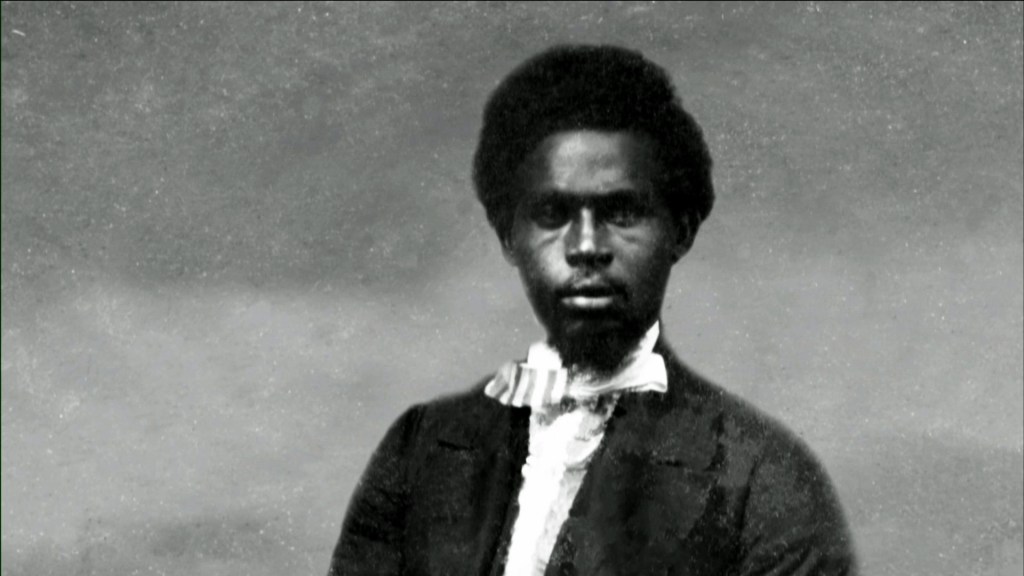
A young Robert Smalls
The C.S.S. Planter. The steamer Robert Smalls piloted to freedom.
Robert Small later in life: businessman and Congressman.
511 Prince Street, Beaufort, SC. Robert Smalls home.