
I wrote a flash fiction piece to the following prompt:
It’s the middle of the night.
There’s a band of heavy cloud.
You’re in the countryside.
There’s a cold feel to the place.
I titled it “ Smuggler’s Blues”. After I read it, someone asked, “What next?”, which became the title of the second flash fiction piece. I had fun writing these.

Smuggler’s Blues
When his plane’s engine began to sputter, Rutledge kept his cool and, with the aid of a brightly lit full moon, discovered a broad meadow to land in. He cut the engine just before touching down. The plane bounced twice and rolled forward a short distance before pitching nose down in an irrigation ditch. Releasing his seat belt and shoulder harness, Rutledge pushed open the door and dropped to the ground. He took a quick inventory of his surroundings. He knew the Canadian border was a scant 3 miles north. To his left, about 300 yards away, a large barn and farmhouse stood in silhouette on a slight rise. About 100 yards to his right was a thicket of woods he had noticed just before landing. A band of thick clouds passed before the moon, pitching the landscape into blackness. As the adrenaline rush of his crash landing dissipated, Rutledge became aware of how cold it was. When his vision became accustomed to the dark, he looked at the farmhouse again and speculated how helpful its occupants would be at 2:00 AM. Before approaching the house, two things needed to be done. “How long will it take me to hide 100 kilos of cocaine and $400,000 in that thicket of woods?” Rutledge wondered. From the distant farmhouse, a dog began to bark.
What Next
As the sound of the barking dog reached his ears, Rutledge glanced at the farmhouse and thought, “What next?” From where his plane was nose up in the irrigation ditch, the thicket of trees was 100 yards away. Rutledge estimated he had about fifteen minutes to stash the coke and cash in the woods before anyone in the house checked to see why their dog was barking.
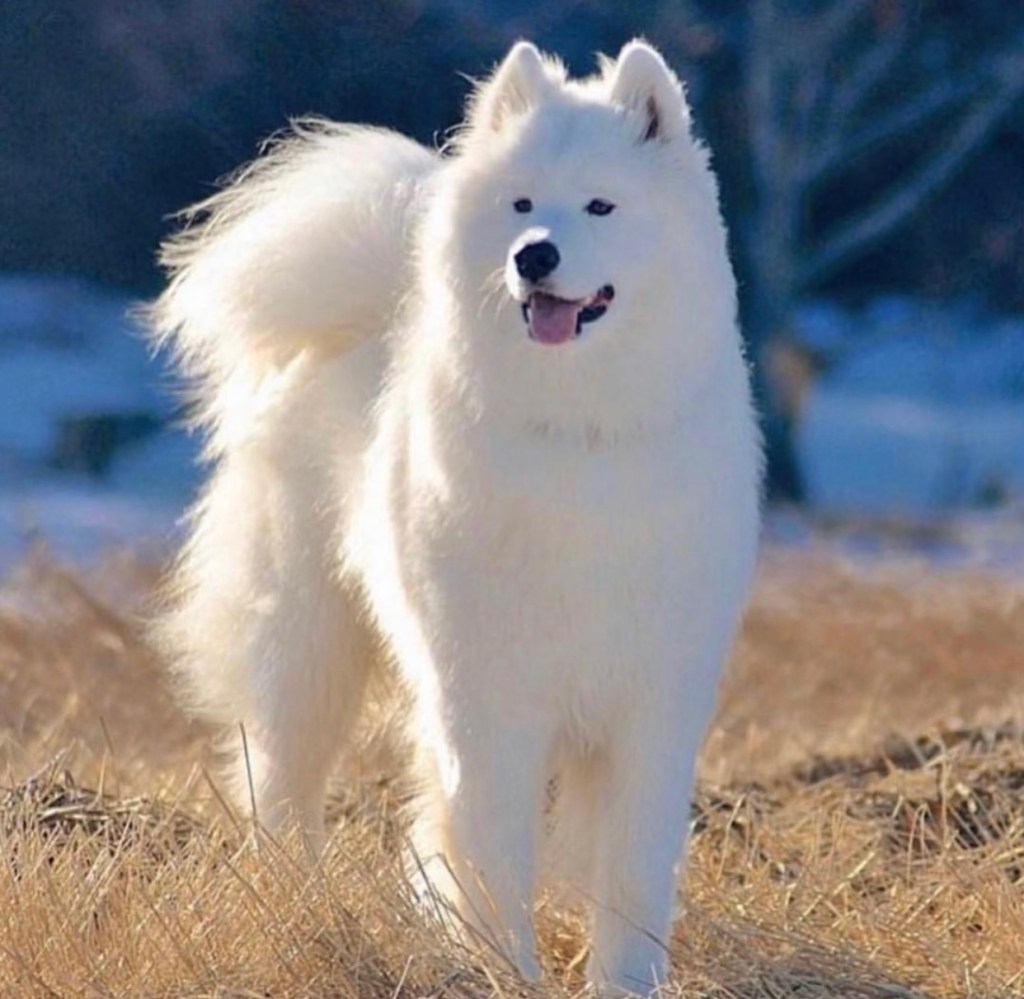
Markoff sat in the safe room of his farmhouse, staring at the display screen of his shortwave radio. At 1:50 AM, the static ceased, and a symphony playing the first few lines of the “Hungarian Rhapsody” filled his headphones. When the music stopped, a child’s voice, speaking Czech, recited a series of random numbers. He jotted them down in a notebook. After a brief pause, the child repeated the numbers. Verifying the sets of numbers matched, he tapped out a reply, removed his headphones, and switched off the radio. Exiting the safe room, Markoff was nearly bowled over by the greeting from his 90-pound Samoyed.
“Tucker! Glad to see you too, my friend,” he rubbed the dog’s favorite spots behind his ears, “Okay, boy. Okay. We’ll go out, hold on, it’s freezing out there.”
Tucker shot out into the yard the second the kitchen door was opened. Markoff pulled on his parka, walked out onto the porch, and stopped. Tucker stood rigid, tilting his head slightly, looking out into the meadow. The clouds blanketing the moon made it difficult to see what attracted the dog’s attention. He barked once, then grew restless and barked again.
Markoff went back into the house and grabbed a pair of powerful night-vision binoculars. He returned to stand next to Tucker, rubbing behind his ears again. “Hold on, boy, let’s see what’s got you so worked up. I wager it’s your moose buddies.”
Switching on the binoculars, he lifted them to his eyes and scanned the meadow. What the hell! Something was out there, but it was at the limit of the night-vision range. He clipped a leash to Tucker’s collar. “We need to get closer, boy.” When Markoff estimated they had crept forward about 100 yards, he stopped and peered through the binoculars again. He was stunned by what he saw. A small plane was nose down in an irrigation ditch, its cargo door hanging open. It didn’t appear anyone was around. Lowering the binoculars, he looked back towards his house, then toward the thicket of woods just beyond the plane. Something was moving. Lifting the binoculars to his eyes, Markoff saw a man bent forward with a heavy rucksack slung over his shoulders. He was moving as fast as his load would allow, bearing directly for the trees. The night-vision image was clear enough to see the man’s puffs of breath condensing in the frigid air.
Markoff lowered his binoculars and absentmindedly rubbed behind Tucker’s ears. “What’s next, my friend? What’s next?” Tucker answered by head-butting his thigh.
Note: My second story begins with the character, Markoff, listening to a “numbers station” on a short wave radio. Numbers stations have been monitored for decades because they are believed to be used for communicating messages to spies and foreign agents. If you Google “The Conet Project” there is a wealth of information of how these stations are tracked and what methods are used to communicate. I find it fascinating. An example follows.
 The Chatham Packet
Cool little stories. They raise so many thoughts bidding the reader to fill in and extend the stories. Perfect for short attention spans with hyperactive imaginations.
LikeLiked by 2 people
Thank you John.
LikeLike
Riveting!
>
LikeLiked by 1 person
Thank you Kerry! I hope all is well!
LikeLike